
The Price Surge Stream: How Creators Can Turn a Single Breakout Story Into a Multi-Part Live Event
Turn a single price surge into a multi-part live event with clips, Q&A, and evergreen monetization angles.
If you want to win at creator monetization in 2026, stop thinking of “news” as a one-off and start treating it like a multi-part stream. A single price surge headline can become a full live event, a follow-up audience Q&A, a clip engine, and even an evergreen content series if you structure it the right way. The trick is not to over-explain the market story in one sitting; it’s to create momentum with a headline, unpack the context, then spin the story outward before interest cools. That approach is similar to how creators cover big launches, sports drama, or platform changes, much like the timing-sensitive playbooks in What to Buy During Spring Black Friday Before Prices Snap Back and Best Time to Buy an Air Fryer: Price Trends, Sales Events, and Deal-Hunting Tips.
This guide uses Linde’s key product price surge as the launch point, but the method works for any trending market story: commodities, tech launches, creator tools, pricing changes, and even policy shifts. If you’ve ever watched a stream catch fire because the audience had one urgent question and ten follow-ups, you already understand the magic. The difference here is that we’ll build the stream intentionally, with a repeatable system for clips, shorts, live Q&A, and monetization. For creators who want a sharper packaging strategy, it pairs well with lessons from Instagram Trends That Change How Creators Should Use Their Links in 2026 and The CES Gadgets Streamers Actually Need: Tested Tools That Fix Common Production Headaches.
1. Why a Single Price Surge Can Carry an Entire Live Series
The headline is the hook, not the whole show
A strong market headline does the same job as a trailer: it gives viewers a reason to stop scrolling. In this case, the phrase “price surge” instantly signals urgency, scarcity, and stakes, which are the three ingredients that make people click, stay, and comment. But a breakout stream should never be just the headline; if you reveal everything in the first five minutes, you kill the reason to return. The better move is to use the headline as the first beat, then build a sequence of explanations, implications, and viewer takeaways.
That’s especially true when the market story is connected to supply, shipping, or industrial input constraints. Viewers don’t only want to know what happened; they want to know why it matters, who benefits, and what could happen next. That makes the topic naturally expandable into several episodes: a breaking-news stream, a deeper explainer, a prediction segment, and a community follow-up. If you like packaging stories around change and timing, there’s a useful parallel in Why the Motorola Razr Ultra Price Drop Matters More Than a Typical Phone Sale.
Pro Tip: Don’t title the whole series around the company name alone. Title the stream around the tension: “Why this price surge matters,” “What’s driving the spike,” and “What happens next” are much better than a flat market update.
Trend-based content works because it compresses curiosity
Trend-based content wins when it converts a complicated topic into a simple emotional question. A price move creates the easiest possible frame: is this a temporary spike, a structural shift, or a signal of something larger? That curiosity is monetizable because it drives watch time, repeat visits, and comment volume, which are the core ingredients of live audience growth. Once viewers see that you can explain a moving story clearly, they’re more likely to trust you for the next one.
This is the same logic behind other high-intent, time-sensitive creator formats like Last-Chance Deals: What to Buy Before the Tech Conference Discount Window Closes and YouTube Premium Price Hike: Best Ways to Cut the Cost or Skip It. The audience arrives because the story is active, not ancient history. Your job is to keep the stream moving fast enough that the audience feels rewarded for showing up live rather than catching the replay later.
The monetization opportunity starts before the stream starts
Creators often think monetization happens at the point of payment, but with trend-based content, it starts in the packaging. A sharp title, a short teaser, and a clear promise create better click-through rates than vague analysis ever will. You can also pre-build monetization by lining up affiliate links, sponsor mentions, membership perks, or a downloadable summary sheet. In other words, the “price surge stream” is not just an editorial decision; it is a content product.
For creators who want a broader playbook on turning visibility into revenue, study how event-style content gets promoted in Festival Vendor Visibility: How to Use Local Search and Paid Ads to Fill Booths Fast and how demand spikes are managed in The Best Time to Buy Big Ticket Tech: When Discounts Hit New Apple and Smart Home Gear. The lesson is simple: when attention is concentrated, every minute of your live event should have a reason to convert.
2. Start With the Market Story: What Viewers Actually Need to Understand
Translate the surge into plain English
Most creators lose the audience because they assume too much background knowledge. A breakout market story needs translation, not just commentary. Start by answering three basic questions: what surged, why it surged, and whether the change seems temporary or durable. If you’re talking about Linde, frame it in terms of the industrial context: supply availability, customer demand, commodity flows, and any crosscurrents that make the move notable.
That structure keeps the stream beginner-friendly without dumbing it down. You can use simple analogies like “inventory pressure” or “traffic jams in the supply chain” to make the explanation stick. Then, after you’ve earned that clarity, you can move into deeper layers like analyst reactions, pricing power, or downstream implications. This is exactly the kind of layered explanation that makes a market story more replayable than a quick news read.
Use context to create segments, not just commentary
Once you’ve translated the headline, break the stream into segments. Segment one is the news hook: what happened. Segment two is the context: why it happened and what conditions made it possible. Segment three is the practical angle: what this means for investors, traders, industry observers, or creators who cover business stories. Segment four is the audience question round, where viewers can challenge your thesis or ask for definitions.
This format helps you avoid the classic “talking head” problem, where the streamer monologues until the chat dies. It also gives your edit team or solo creator workflow a map for clips later. Each segment can become its own short-form asset, and each asset can point back to the full stream. If you need help thinking about audience segmentation in content packaging, compare it to how When an Executive Retires: How to Spot the Internal Opportunities and Prepare Your Pitch structures opportunity around timing and role changes.
Offer one takeaway per section
Every segment should leave the audience with a single memorable takeaway. Instead of “the supply chain is complex,” say “the supply chain is tight enough that pricing power matters again.” Instead of “analysts are watching it,” say “the market is re-rating the story because the inputs look stronger than last quarter.” This keeps the live event coherent and makes clipping easier, because every chunk has a clean thesis.
Creators who want to build trust around analysis should also lean on sources and disclaimers. Be transparent that you’re explaining a market story, not handing out financial advice. That kind of trust-building is similar to the caution and clarity found in Long-Term Investing for Students: Build and Track a Classroom Portfolio and other educational finance content, but tailored for live, fast-moving storytelling. The goal is not to sound omniscient; the goal is to sound prepared, organized, and honest.
3. Build the Live Event Like a Mini Show With a Strong First Hour
Open with the headline, then preview the roadmap
The first three minutes decide whether your stream becomes an event or just another upload. Start with the headline in a crisp, conversational line: “There’s a fresh price surge in a key industrial product, and it may say a lot about demand, supply, and pricing power.” Immediately tell viewers what’s coming next so they know the stream will reward staying. A roadmap like “first the headline, then the supply-chain context, then audience questions, then clips and takeaways” keeps people oriented.
This is the same reason some live streams feel polished even when the host is solo. They’re not improvising structure; they’re improvising within structure. That makes the host look more authoritative and reduces rambling, which is essential when the topic is complex. If you need examples of how creators package hard-to-explain content in an engaging way, see Why the Aerospace AI Market Is a Blueprint for Creator Tools in 2026.
Plan a beat map for the hour
A simple beat map might look like this: 0–5 minutes headline and stakes, 5–15 minutes context and definitions, 15–25 minutes who benefits and who loses, 25–35 minutes audience Q&A, 35–45 minutes reaction roundup, 45–60 minutes recap and CTA. This pacing gives viewers repeated chances to re-engage without feeling lost. It also gives you multiple edit points for future highlights, which is crucial when the story cools and you want clips to keep working.
Think of the live event as a container for multiple outputs. The stream is the main product, but it should feed shorts, a recap post, a newsletter, and maybe a follow-up stream. Creators who already use a strong editorial workflow will recognize the advantage of having a series plan before you go live, similar to the systems-thinking approach in A Unified Analytics Schema for Multi-Channel Tracking: From Call Centers to Voice Assistants.
Leave room for spontaneity without losing the spine
You do want chat energy to influence the show. A good stream feels alive, not robotic. But if you leave every section open-ended, the audience has no reason to trust that you’ll reach the promised payoff. The best compromise is to keep the roadmap fixed while letting audience questions shape the order inside each segment.
That balance is also useful for creators experimenting with live business commentary, product analysis, or event coverage. A little chaos can feel authentic; too much chaos looks unprepared. The same principle powers high-performing show formats in other niches, including When Raid Bosses Come Back: Why Secret Phases Drive Viewership and Community Hype, where anticipation and structure work together.
4. Make the Supply-Chain and Pricing Context the Star of Part Two
Show the mechanism, not just the outcome
If the first stream is about the headline, the second stream is about the mechanism. This is where you unpack the supply-chain and pricing context in a way that feels useful, not academic. Explain the source of pressure, whether it’s constrained supply, rising input costs, logistics bottlenecks, stronger demand, or a mix of forces. The audience does not need a finance PhD; they need a clear model of cause and effect.
That model is what turns a one-day news spike into a durable content series. You can tell viewers, “Today’s move is the signal, but the mechanism is the story,” which makes the second stream feel like a necessary sequel rather than a repeat. It also creates room for evergreen angles later, because supply-chain analysis can be revisited whenever new data appears. For related thinking on input cost pressure, check How Rising Input Costs Change Athlete Nutrition Suppliers — And What Teams Can Do.
Use comparisons to make the story tangible
One effective trick is to compare the current surge to familiar price events: seasonal sales, input shocks, shipping delays, or premium product shortages. Comparisons help viewers map unfamiliar industrial news onto everyday shopping behavior. That matters because most audiences understand value and scarcity before they understand industrial chemistry or logistics.
This is where a comparison table can really help, especially if you want to show how the live series evolves across multiple content assets.
| Stream Part | Main Goal | Primary Audience Question | Best Monetization Angle | Repurposed Asset |
|---|---|---|---|---|
| Part 1: Headline Live | Capture attention fast | What happened? | Mid-roll sponsor read, live CTA | 30-second short |
| Part 2: Context Breakdown | Explain the mechanism | Why did it happen? | Membership teaser, newsletter signup | Clipped explainer |
| Part 3: Audience Q&A | Boost engagement | What does it mean for me? | Super chats, tipped questions | FAQ video |
| Part 4: Reaction and Outlook | Extend lifecycle | What happens next? | Affiliate links, sponsor bundle | Prediction clip |
| Part 5: Evergreen Recap | Preserve search value | How does this story work in general? | Ad revenue, lead magnet | Evergreen guide |
Connect pricing to audience relevance
Even if your audience is not in the market directly, they still care about pricing stories because they reveal how systems work. Price movements can affect product availability, company strategy, consumer costs, and future business news. Your job is to turn that relevance into a concrete viewer payoff. Say not just “this matters,” but “this matters because it shows where pricing power may be returning, and that pattern often repeats in other sectors.”
That kind of framing echoes the strategic usefulness of trend content in Why the Motorola Razr Ultra Price Drop Matters More Than a Typical Phone Sale, where the value is in interpreting the price move rather than reporting it. When your audience begins to see you as an interpreter, not just a reciter, retention goes up.
5. Turn Chat Into a Revenue Engine With Audience Q&A
Use questions as a content filter
The easiest way to make audience Q&A valuable is to treat chat questions as signals about what the audience truly wants to know. Don’t answer every comment in order. Group them into themes: “what caused the surge,” “is it temporary,” “what does it mean for the broader market,” and “what should I watch next.” That gives your Q&A a shape and prevents the conversation from becoming random noise.
A themed Q&A also creates better clips. A single question like “Is this a one-off spike or a real trend?” can become a standalone short with a clear beginning and end. If you want to sharpen your live interaction formats, a similar audience-first logic appears in Creating Resonance: Crafting Collaborative Art Pieces to Engage Your Audience and Partner Up: How Creators Can Team with Media Literacy NGOs to Boost Reach and Credibility, where participation drives trust and retention.
Monetize without making the chat feel commercial
Audience Q&A is an ideal monetization surface because it feels service-oriented. You can encourage tipped questions, offer members priority, or reserve a premium post-stream breakdown for subscribers. But the key is subtlety: viewers should feel they are buying access, not interrupting the show. When the premium offer matches the value of the conversation, monetization feels natural.
A smart structure is to keep the main Q&A open, then invite one “priority question” section for supporters. That section can be framed as deeper analysis, practical takeaways, or an extended reaction segment. If you need proof that timing and incentives matter, look at deal-driven content like YouTube Premium Price Hike: Best Ways to Cut the Cost or Skip It and YouTube Premium Price Hike Survival Guide: How to Cut Your Monthly Bill.
Design questions that generate clips later
Not every question deserves a long answer. In fact, some of the best clip moments come from concise, high-signal responses. Prepare a few prompt questions in advance, like “What’s the biggest risk to this thesis?” or “Which metric would prove this is real?” Those questions produce quotable answers and make your stream easier to slice into short-form pieces after the fact.
This is where creator monetization becomes compounding rather than linear. One live Q&A session can generate ad-supported replay value, paid recap content, and enough short clips to feed your channel for a week. If you want more ideas on audience-centered packaging, see Instagram Trends That Change How Creators Should Use Their Links in 2026 and think about how each answer can point to the next piece of content.
6. Build a Clip Strategy Before You Go Live
Clip the structure, not just the highlights
Most creators clip the loudest moments and miss the most useful ones. For trend-based content, the best clips usually come from clean transitions: the moment you explain the headline, the moment you define the supply-chain issue, the moment you answer a sharp question, and the moment you predict what happens next. Those clips have editorial value because they each teach one thing quickly.
Make a list of 6–10 clip targets before the stream begins. That could include a 15-second headline teaser, a 30-second “why this surged” breakdown, a 45-second Q&A answer, and a 60-second outlook summary. If you’ve ever studied how event-based creators feed the algorithm, the pattern is familiar: live content produces multiple formats, and each format serves a slightly different audience window.
Give each clip a unique promise
A clip should not feel like a chopped-out stream segment. It should feel like a self-contained promise: “Here’s what happened,” “Here’s why it matters,” “Here’s the one thing to watch next.” That means your on-camera language should be clean enough to stand alone without extra context. Before you post, watch the clip with the sound off and ask whether the visual and caption still communicate value.
If you need a broader model for building short-form from a bigger event, look at Outside Days Like a Pro: How to Score Perks and Pack Smart for Outdoor Festivals and Big-Event Weekends and The Community Table: How Badge Collection from Food Festivals Helps Neighborhoods Grow. Both illustrate how an event can live far beyond its original moment when you give the audience collectible pieces to share.
Schedule your clips so they create a second wave of traffic
Don’t dump all the clips at once unless the story is exploding in real time. Better to stagger them: one during the live stream, one shortly after, one the next morning, and one a few days later as a recap or myth-busting piece. That keeps your content in circulation while the story is still fresh enough to matter. It also gives the algorithm multiple entry points into the same broader narrative.
For creator teams, this is where production discipline matters. A simple clip matrix can track which segment became which short, which hook drove the most retention, and which CTA led to subscriptions or follows. If your workflow needs a stronger system, the multi-step thinking in From Unstructured PDF Reports to JSON: Recommended Schema Design for Market Research Extraction can inspire a more structured content pipeline, even if your raw material is live video.
7. Monetization Models That Fit Trend-Based Live Content
Use the story as the product, not just the traffic source
Trend-based streams monetize best when the story itself feels like the deliverable. Viewers are not paying for noise; they are paying for clarity, speed, and judgment. That opens several revenue lanes: sponsorships for the live episode, affiliate links for tools or research services, memberships for deeper analysis, and paid replays or premium recaps. The biggest mistake is waiting until after the stream to figure out the offer.
Think of monetization as part of your editorial plan. If a stream is about a market surge, the offer might be a spreadsheet, a data tracker, a member-only follow-up call, or a bonus explainer on evergreen valuation concepts. Creators in other niches do this already with product comparison and urgency framing, as seen in The Best Time to Buy Big Ticket Tech: When Discounts Hit New Apple and Smart Home Gear and Last-Chance Deals: What to Buy Before the Tech Conference Discount Window Closes.
Map your revenue to viewer intent
Different viewers have different intent levels. Some want the headline. Some want an explanation. Some want tactical takeaways. Some want access to you. Your monetization should match those layers. For example, the headline watcher gets the free stream, the context seeker gets the downloadable recap, the serious follower gets membership access, and the enthusiast gets a bonus live Q&A.
This layered offer stack works because it respects the audience’s attention. It also reduces the pressure to shove ads into the most important moment of the stream. When monetization is aligned with depth, not disruption, viewers are more willing to participate. That principle is widely applicable across creator businesses, from live analysis to niche utility content like Personalized AI Dashboards for Work: Lessons from Fintech That IT Teams Can Steal.
Evergreen angles keep the stream earning after the trend fades
The real power move is turning a breaking market story into evergreen content. After the surge cools, create a recap on how to identify supply-chain-driven price moves, a guide to reading analyst upgrades, or a “how to follow future price spikes” tutorial. That content can continue earning long after the original event fades. It also gives you a library of useful assets that new viewers can discover later.
Evergreen angles are especially valuable for creators who cover news-adjacent topics. You can reuse the same framework for commodity moves, tech launches, price hikes, and seasonal demand stories. This is where content series become strategic rather than reactive. For more ways to think about repeatable, search-friendly structures, see Learn SEMrush Fast: A 30-Day SEO Bootcamp for Students Who Want Freelance Income and Why AI-Only Localization Fails: A Playbook for Reintroducing Humans Into Your Translation Pipeline.
8. A Practical Workflow You Can Reuse for Any Breakout Story
Pre-stream: collect the raw material fast
Before you go live, gather the minimum viable research set: the headline, the core mechanism, one or two credible explanations, and three audience questions you expect to hear. You do not need a giant dossier to start; you need enough to speak confidently and structure the session. This keeps you nimble while preserving accuracy. The goal is to launch quickly before the story peaks and your audience moves on.
If you cover live market stories regularly, build a reusable template for sources, notes, and timestamps. That template can improve consistency and save time across future events. It’s the same operational logic that makes content pipelines scale in other industries, from product research to localized media workflows. For example, the discipline behind Choosing the Right Document Workflow Stack: Rules Engine, OCR, and eSign Integration is a reminder that process is what turns one good piece into a system.
During the stream: keep the audience moving forward
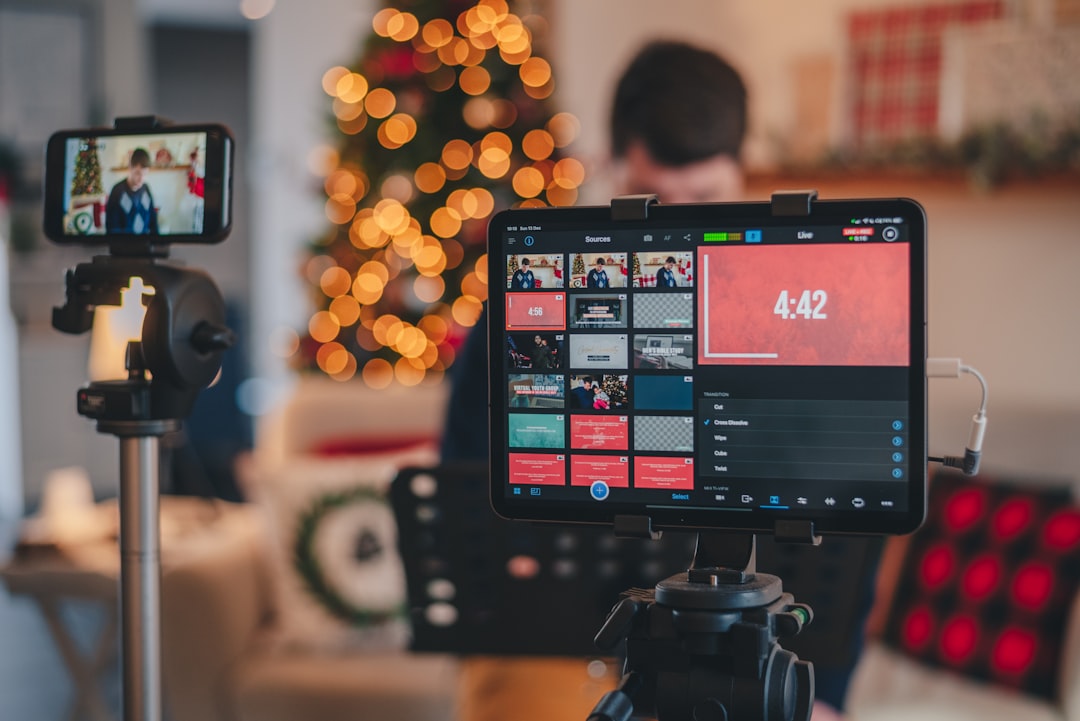
As you stream, repeat the roadmap often enough that late arrivals can catch up without asking for a recap. Use on-screen chapter titles, pinned chat prompts, or verbal checkpoints so the audience knows where they are. If your stream is heavy on analysis, summarize each section in one sentence before moving to the next. That way, anyone clipping the session later has a clean edit path.
You should also track which moments spark chat spikes, since those are your likely conversion points. Did the audience respond when you named the mechanism, when you answered a tough question, or when you offered a prediction? Each spike tells you something about your next piece of content. If you want to think in terms of systems and response curves, the logic resembles Which charting platform actually produces the best intraday signals? A Bar Replay backtest.
Post-stream: package the story into a content series
Once the live event ends, your job is not done. Turn the best 3–5 moments into clips, publish a short recap, answer the top questions in a follow-up post, and tease the next episode if the story develops. If the price surge continues, you have a Part 2. If it fades, you still have an evergreen explainer and a replayable Q&A format. Either way, the story keeps working for you.
That last step is what separates a live event from a disposable stream. The event becomes a content engine with multiple touchpoints, each aimed at a different stage of audience interest. That is the most practical way to grow both reach and revenue without burning out on constant reinvention. It’s also the same logic behind repeatable creator systems in collaborative audience work and Satellite Storytelling: Using Geospatial Intelligence to Verify and Enrich News and Climate Content.
9. Common Mistakes That Kill Monetizable Momentum
Over-explaining too early
The biggest mistake is dumping every detail in the opening minute. If the first segment includes the full supply-chain analysis, the audience loses the reason to stay. Give them a clean answer, not the complete book report. Then deepen the story across the rest of the stream.
Ignoring the clip path
Another common mistake is treating clips as a later problem. If you do not plan your clip moments before the stream begins, you’ll end up with random highlights instead of reusable assets. That means less reach, less search value, and fewer ways to monetize the story after it cools. Strong creators design with repurposing in mind from the start.
Forcing monetization too hard
Audiences can feel when monetization is disconnected from the content. If your stream is about a market story and you suddenly pivot to an unrelated sponsorship, trust drops. Keep the offer relevant, time it well, and make sure the value exchange is obvious. That is how you protect the relationship while still building revenue.
10. Final Takeaway: Treat Trends Like Launchpads, Not One-Offs
A breakout market story is not just news; it is a launchpad for a multi-part creator system. Start with the headline, unpack the supply-chain and pricing context, invite audience Q&A, and then clip the strongest moments into shorts, recaps, and evergreen explainers. Done well, a single price surge can become a powerful live event with multiple revenue opportunities and a longer shelf life than the original headline. That’s the essence of modern trend-based content: move fast, explain clearly, and let the story keep paying you after the live moment is over.
If you want a simple rule to remember, use this: headline first, mechanism second, audience interaction third, and repackaging last. That order keeps the show compelling while maximizing creator monetization. And if you build the habit now, the next market story, product launch, or platform shake-up becomes less of a scramble and more of a repeatable, profitable format. For more inspiration on event-style growth and durable content packaging, revisit Partner Up: How Creators Can Team with Media Literacy NGOs to Boost Reach and Credibility, Orbital Cleanup: How Creators Can Lead Awareness Campaigns on Space Debris, and The CES Gadgets Streamers Actually Need: Tested Tools That Fix Common Production Headaches.
Related Reading
- Festival Vendor Visibility: How to Use Local Search and Paid Ads to Fill Booths Fast - Learn how urgency-driven promotion can fill seats, booths, or streams before attention fades.
- The Best Time to Buy Big Ticket Tech: When Discounts Hit New Apple and Smart Home Gear - A useful model for timing content around price-sensitive buyer behavior.
- When Raid Bosses Come Back: Why Secret Phases Drive Viewership and Community Hype - See how anticipation and staged reveals keep audiences returning.
- From Unstructured PDF Reports to JSON: Recommended Schema Design for Market Research Extraction - A structured workflow example for turning raw information into reusable assets.
- Satellite Storytelling: Using Geospatial Intelligence to Verify and Enrich News and Climate Content - Explore another way to turn complex, time-sensitive stories into compelling audience experiences.
FAQ: How do creators turn a price surge into a live event?
Start with the headline, explain the mechanism in plain English, then use Q&A to address what viewers really want to know. After the stream, cut the strongest moments into shorts and recap clips. The key is planning the follow-up before you go live.
FAQ: What makes trend-based content monetizable?
It attracts urgent attention, which improves watch time and engagement. If you package it clearly, you can monetize through ads, sponsorships, memberships, super chats, affiliate links, and premium recaps. The more useful the explanation, the more natural the monetization.
FAQ: How long should a multi-part stream series last?
Long enough to cover the full story without stretching it thin. A common format is one breaking-news stream, one deeper context session, one Q&A, and one recap or evergreen explainer. If the story keeps evolving, add another episode only when there is new information.
FAQ: What kind of clips perform best for live market stories?
Clips that answer a single sharp question perform best. Examples include “What caused the surge?”, “Is it temporary?”, and “What should viewers watch next?” These clips are easier to understand, easier to share, and easier to turn into search-friendly assets.
FAQ: How do I keep the audience engaged without overhyping the story?
Use a clear roadmap, avoid jargon, and give one useful takeaway per segment. Be enthusiastic, but don’t oversell certainty. Viewers trust creators who are accurate, organized, and honest about what they know versus what they’re still watching.
FAQ: Can this format work outside finance?
Yes. The same structure works for tech launches, policy changes, sports drama, gaming updates, consumer deals, and creator economy trends. Any story with a clear headline, meaningful context, and audience questions can become a multi-part live event.
Related Topics
Avery Collins
Senior SEO Content Strategist
Senior editor and content strategist. Writing about technology, design, and the future of digital media. Follow along for deep dives into the industry's moving parts.
Up Next
More stories handpicked for you

Streaming the News: Engaging Audiences with Media Summaries

Turn Earnings Days into Watch Parties That Pay: A Creator's Playbook
Navigating the State of the Industry: Keeping Up with Content Creation Trends
Breaking News, Calm Stream: A 30‑Minute Template for Live Streams During Geopolitical Market Shocks

Spotlight on Emerging Talent: Hosting Live Sessions with Rising Stars
From Our Network
Trending stories across our publication group
How Creator Channels Can Use Prediction-Market Thinking Without Turning Audience Trust Into a Casino

Best Practices in Podcast Production: Learning from Listener Reactions
How to Turn Market Volatility Into a Live Show Format That Keeps Viewers Coming Back

Why Research-Driven Content Is Winning With Sponsors and B2B Audiences
How Creators Can Build a ‘Signal, Not Noise’ Content Strategy Around Market Volatility
