
Turn Earnings Days into Watch Parties That Pay: A Creator's Playbook
Turn earnings calls into recurring watch parties with sponsor packages, live charts, premium tiers, and clip monetization.
Turn Earnings Days into Watch Parties That Pay: A Creator's Playbook
Company earnings calls are no longer just for Wall Street pros. For creators, they are recurring, high-intent live events with built-in drama, search demand, and clear follow-up content opportunities. If you treat each earnings day like a one-off stream, you leave money on the table. If you turn it into an earnings watch party format with sponsor packages, live analysis, premium tiers, and clip repurposing, you can build a repeatable revenue engine that compounds quarter after quarter.
The opportunity is bigger than simply reacting to a chart. The real win comes from designing a system: pre-show education, live audience participation, real time charts, post-show breakdowns, and clipped highlights that keep working long after the transcript drops. That is the same strategic mindset behind turning corporate earnings calendars into your content calendar, but here we are going one level deeper into monetization mechanics, packaging, and production workflow. If you want the event to feel polished instead of improvised, borrow the same planning discipline from building a live show around one industry theme, not one guest.
There is also a reason finance content tends to perform so well during earnings season: viewers want signal, speed, and interpretation. That makes earnings streams a strong fit for creators who already understand audience engagement, recurring formats, and multi-platform distribution. Think of it like a live newsroom with a fandom layer. The best creators do not simply summarize the numbers; they create a viewing habit, just like the repeatable systems discussed in a creator’s guide to building brand-like content series.
1. Why Earnings Watch Parties Work So Well
Built-in scarcity and predictable demand
Earnings days have a rare combination of urgency and predictability. Investors, traders, founders, employees, and even casual spectators all want to know whether a company beat expectations, raised guidance, or stumbled. That means your stream can ride a pre-existing wave of search traffic and social chatter instead of trying to manufacture interest from scratch. You can plan a calendar months ahead, then promote around the same market windows every quarter.
The repeated cadence matters for monetization because sponsors love consistency. A single viral live stream is great, but a recurring earnings series gives you predictable inventory. Once brands know your show reliably attracts a finance-aware audience on a fixed schedule, they are much more likely to buy a package, not just a one-off ad mention. That is why creators should think like operators and not just performers, a mindset reinforced in rebalance your revenue like a portfolio.
Attention peaks at the exact right moment
Earnings streams work because the emotional arc is already present. Before the call, viewers speculate. During the call, they react in real time. After the call, they search for context, forward-looking interpretation, and “what does this mean?” explainers. That gives you three distinct monetization windows: live, immediate replay, and evergreen clips. Few content types offer that much downstream value from one event.
This is also why live finance content benefits from a strong content checklist. If you want the stream to feel reliable and repeatable, use an event checklist to avoid last-minute scrambles, even if your “venue” is digital. The point is to reduce friction so you can focus on interpretation and audience interaction instead of emergency troubleshooting.
Community framing beats passive viewing
Viewers do not just want the number; they want to experience the number together. A watch party turns passive analysis into a shared ritual, and rituals are monetizable because they create habit and belonging. When a community knows that “earnings night” means analysis, live polls, chart overlays, and post-show takeaways, they show up with higher intent. That intent translates into subscriptions, memberships, affiliate clicks, and sponsor value.
Pro tip: If your stream feels like a live classroom instead of a live conversation, you are leaving engagement on the table. The sweet spot is “learn something useful while feeling like you’re in the room with other sharp people.”
2. Pick the Right Audience Format for the Event
The analyst panel format
This format works well if your audience expects depth. You host yourself plus one or two guests who can interpret guidance, compare quarter-over-quarter metrics, and surface nuance fast. The panel format is ideal for creators who can moderate smoothly and keep the show moving without turning it into a chaotic clubhouse. It also creates more sponsor surface area because each segment can be paired with a relevant brand message.
If you choose this route, keep the panel tight. Two guests are usually enough for most earnings watch parties because the audience wants clarity, not a crowded opinion cage match. You can borrow organization tactics from hiring smart for specialized tasks by delegating research, clip clipping, or graphic prep instead of trying to do everything yourself.
The solo host with live community chat
A solo host model is often the easiest to scale and the easiest to brand. You become the familiar face and the trusted voice, which matters more than ever in finance content. The chat becomes the co-host: viewers ask questions, call out surprises, and share ticker-specific context. This creates a strong sense of participation without requiring a complicated production stack.
Solo hosting also reduces sponsor risk because the brand story is simpler. Instead of aligning with multiple voices, sponsors align with your consistent editorial perspective. If you are building a business around an evolving creator identity, the playbook from when tech launches slip: a content repurposing playbook applies nicely: keep the format flexible enough to handle surprises, but structured enough to be dependable.
The themed co-watch format
One of the most effective approaches is a themed watch party, such as “AI earnings night,” “consumer tech earnings watch party,” or “megacap reaction room.” This narrows the conversation and gives viewers a clearer promise. Themed events are easier to market because the hook is stronger than “come watch numbers.” They also make sponsor targeting easier because the audience is more clearly defined.
Themed shows are especially useful if you want to create sponsored segments and premium tiers. You can keep the base stream free while gating deeper analysis, downloadable notes, or after-hours breakdowns. That model aligns with the broader principle of building repeatable series rather than random uploads, much like the logic behind repurposing sports news for your niche.
3. Build a Monetization Stack Before the First Stream
Sponsor packages that actually fit the format
The best sponsor packages are not just logo placements. For an earnings watch party, sponsors can own pre-show framing, live polls, “chart check” segments, or post-show summaries. A good package might include a host-read intro, a midstream mention during the first reaction window, and a replay-safe evergreen mention in the clip package. That gives advertisers exposure across the entire content lifecycle rather than only during the live moment.
When creating packages, segment them by intent. A premium sponsor slot should align with a specific audience behavior, such as “opening bell prep,” “live reaction,” or “post-call takeaway.” If you want to strengthen the business side, compare your sponsor design process to the way retailers think about launch timing in inside grocery launches and retail media: placement works best when it matches the customer’s moment of attention.
Premium tiers for deeper access
Your free stream should be valuable enough to earn trust, but your premium tiers should offer real utility. Think bonus commentary, an extended Q&A, a downloadable notes sheet, a post-show chart recap, or access to a private replay archive. The key is to make the premium layer feel like a sharper tool, not a paywall. People will pay for speed, clarity, and convenience if the offer is specific.
For creators, premium tiers are strongest when tied to recurring rituals. For example, a “quarterly earnings vault” can include every post-show breakdown, model notes, and clips organized by company. That kind of product feels durable and helps you build a more resilient business, similar to the thinking in rebalancing revenue like a portfolio.
Affiliate and utility-based monetization
Finance audiences often engage with tools, not just opinions. That opens the door to affiliate opportunities for charting software, screeners, market data subscriptions, hardware, microphones, monitors, and creator production gear. The important part is relevance: the affiliate offer should help the viewer follow the show better or improve their own workflow. That creates a natural conversion path instead of a forced sales pitch.
Creators often overlook the value of simple utility products. If your stream includes real-time charts, then viewers may need a sharper monitor, a faster second screen, or a stable streaming setup. The framing used in budget desk upgrades can inspire practical affiliate angles, while value breakdown style reviews can guide how you explain why a tool is worth it.
4. Design the Live Show Around Real-Time Information
Real time charts as the backbone of the experience
Real time charts are what separate a polished watch party from a talking-head recap. At minimum, your show should feature live price movement, after-hours reaction, key level markers, and a simple earnings surprise visual. If possible, add year-over-year revenue bars, margin trend lines, and guidance comparisons so viewers can instantly understand whether the quarter is strong or weak. The charts should not clutter the screen; they should support your interpretation.
There is a production discipline here that resembles compliance and auditability for market data feeds: if your visual data is wrong or delayed, trust collapses fast. That is why you need a dependable source, a backup feed, and a simple workflow for refreshing overlays during volatility. Think “precision with guardrails,” not “more widgets.”
Overlay hierarchy and screen layout
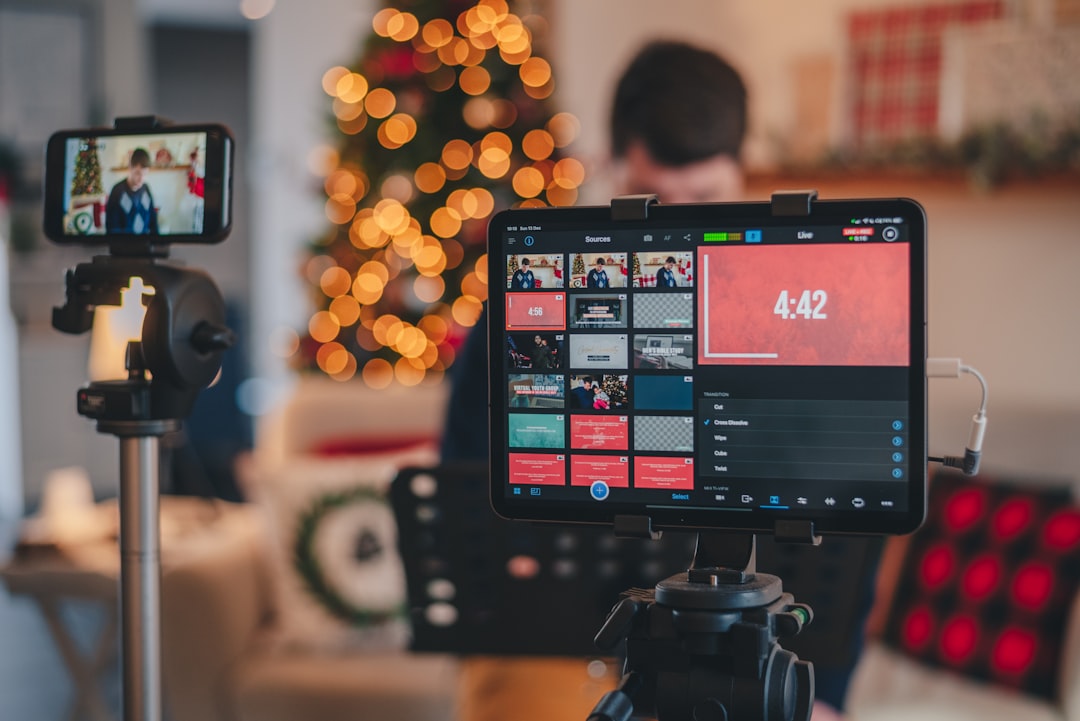
Your layout should answer three questions at a glance: what just happened, how big is it, and what should I watch next? Keep the company name, live price change, and earnings headline visible. Add a small lower-third for key metrics such as EPS, revenue, and guidance. Then reserve space for the chart itself so viewers are not squinting through a wall of graphics.
If your stream has multiple sources, like earnings slides, social posts, and your camera, you need a clear visual hierarchy. This is where creator workflows benefit from ideas in building internal BI with the modern data stack: treat the show as a dashboard, not a collage. The cleaner the structure, the easier it is for viewers to stay oriented and for you to move quickly.
Latency, moderation, and fallback plans
One of the biggest mistakes creators make is assuming the event will proceed smoothly because the content is predictable. Earnings calls can run long, slides can lag, tickers can spike, and chat can become chaotic fast. Your event checklist should cover stream latency, backup chart sources, moderation rules, and an emergency “talking-only” format if visuals fail. The goal is to keep the room useful even when the tech gets weird.
This is where creators can borrow from operational planning guides like preparing for platform downtime and real-time monitoring with streaming logs. The principle is simple: assume something will break, and design the event so the audience barely notices.
5. Audience Engagement That Feels Fun, Not Forced
Use polls to shape the live narrative
Audience engagement is strongest when viewers feel like they are helping the show move forward. Polls can ask whether the quarter was a beat or miss, whether guidance matters more than headline numbers, or whether the stock reaction makes sense. The trick is to use polls as editorial input, not filler. Each poll should set up your next analysis point and create a clean transition into the following segment.
Engagement also gets stronger when viewers can compare their own expectations against the market reaction. That is a reason earnings parties can resemble the structure of serialized drama: each question creates tension, and each answer releases it. The result is a much stickier live experience than a static commentary stream.
Chat prompts that generate useful discussion
Instead of generic prompts like “What do you think?”, use specific prompts: “Which metric matters most here, and why?” or “Would you buy this stock after this call?” These questions are easier to answer and more likely to generate thoughtful replies. They also help you surface audience intelligence, which can make the show feel smarter in real time. The best creators know chat is not noise; it is a source of signal.
That is where techniques from breaking news source gathering are useful. Your audience often catches the nuance you miss, especially when they bring industry context, prior quarter memory, or competitive comparisons. Let the room be part of the analysis engine.
Community rituals that improve retention
If you want repeat attendance, add a ritual. Maybe every stream opens with “three things we need to know,” ends with a one-minute verdict, and includes a quick emoji vote on the stock reaction. Rituals are sticky because they make the event recognizable and easy to recommend. They also help new viewers understand what kind of experience they are walking into.
This is where show structure matters more than personality alone. A strong ritual framework can do what a strong interface does in product design: lower cognitive load while increasing satisfaction. For a useful analogy, see delivering content as engaging as the Bridgerton phenomenon, where format consistency is part of the appeal.
6. Make Clip Repurposing a Core Revenue Line
Clip the moments with the highest explanatory value
Not every clip is worth posting. The most monetizable clips are the ones that explain a big move, decode a surprising line in the earnings call, or capture a sharp reaction from the host or chat. These clips are useful because they work as discovery assets, replay funnels, and affiliate traffic drivers. A good clip answers a question quickly enough that people share it before they even realize they need the full stream.
That is why clip repurposing should be planned before the live event starts. Assign a person or use a workflow to mark timestamps for surprise beats, big visuals, and strong takes. If your show is built around a recurring template, the lessons from repurposing content when launches slip are especially helpful because earnings calls also move around, extend, or underdeliver in ways you can still package well.
Turn one event into a multi-format content bundle
A single earnings watch party can become a short clip on social, a long-form replay on YouTube, a newsletter recap, a premium breakdown, and a carousel of chart screenshots. Each format serves a different purpose in the funnel. The short clip attracts new viewers, the replay deepens trust, and the premium breakdown monetizes the most motivated audience. That is how you make one event pay multiple times.
If you are looking for a model of adaptive repackaging, study niche sports-news repurposing and geospatial storytelling: both show how one core event can become different assets for different audiences without losing the original point.
Use clips to sell the next live event
The best clip strategy is not just monetization after the fact; it is promotion for the next stream. End each clip with a reminder that the full watch party, premium replay, or next-quarter episode is part of an ongoing series. This helps you build continuity and makes each quarter feed the next. Over time, clip repurposing becomes both discovery and retention, which is the most valuable combination a creator can have.
7. A Practical Event Checklist for Earnings Day
Pre-show setup
Three to five days before the event, confirm your company list, run-of-show, visual assets, sponsor mentions, and chart sources. Check your streaming software, audio levels, backup internet, and moderation plan. Create a simple event doc that lists the company, earnings time, expected move windows, key metrics, and sponsor inventory. This keeps the show anchored when the market gets noisy.
A strong checklist is not glamorous, but it protects your revenue. The same discipline shows up in seasonal maintenance checklists and limited-time tech event planning: preparation is what lets you move confidently when the moment arrives.
Live execution
During the stream, keep a tight sequence: pre-call context, live reaction, chart review, audience poll, and takeaway verdict. If the earnings call runs long, do not fill every second with dead air. Use structured questions, quick reads of chat, or a brief sponsor segment to maintain momentum. The audience should feel guided, not stranded.
Make sure each major segment ends with a concrete takeaway. “Revenue beat, but guidance muted” is more useful than “interesting quarter.” Clarity drives clip potential, search relevance, and viewer trust. That kind of directness is a hallmark of creators who know how to move from attention to action.
Post-show production
After the live event, do not just upload the replay and move on. Publish a premium breakdown, extract the top three clips, turn your notes into a newsletter summary, and update your sponsor report with engagement metrics. Your post-show package is where many of the most valuable conversions happen because viewers finally have room to think. That is also where premium tiers perform especially well.
For a more systematic approach to follow-through and retention, see automating uploads and backups and cross-engine optimization, which together reinforce a simple truth: the best content businesses do not publish once; they distribute intelligently across surfaces.
8. A Comparison Table of Earnings Watch Party Monetization Models
Below is a practical comparison of common formats so you can decide what fits your audience, production capacity, and revenue goals.
| Format | Audience Fit | Primary Revenue | Production Difficulty | Best Use Case |
|---|---|---|---|---|
| Solo reaction stream | Small to mid-size creator audiences | Memberships, affiliates, replay ads | Low | Fast, repeatable earnings coverage |
| Analyst panel | Investing-savvy viewers | Sponsors, premium tiers, replay monetization | Medium | High-trust interpretation and debate |
| Themed watch party | Niche communities | Sponsor packages, premium replays, clips | Medium | AI, semis, consumer tech, biotech |
| Premium post-show breakdown | Most loyal viewers | Paid memberships, digital products | Low to medium | Deep dive into guidance and valuation |
| Clip-first distribution | Discovery audiences | Affiliate opportunities, sponsorship lift | Medium | Social growth and funnel building |
9. How to Price Sponsor Packages Without Undercharging
Package around outcomes, not hours
Creators often underprice live sponsorships because they think in terms of time, not audience attention. But an earnings watch party offers multiple touchpoints: pre-roll, live mentions, replay exposure, and clip circulation. A sponsor is not just buying minutes; they are buying context, credibility, and continuity. That means your package should reflect the value of the whole event arc.
When deciding pricing, think in terms of deliverables and alignment. If your audience is niche and highly relevant, even a modest live audience can be more valuable than a larger but less targeted crowd. That logic is similar to how operators evaluate scarce resources in partnership pipelines built from private signals and public data.
Create three clear tiers
A simple structure works best: a starter tier for a single stream mention, a core tier with live and replay placements, and a flagship tier with exclusivity plus clips or premium newsletter integration. This makes buying easy and helps sponsors self-select based on budget and ambition. It also protects you from custom one-off deals that become operational headaches.
Good tiering should include one or two high-value extras, such as a chart overlay sponsor lockup, a named audience poll, or a branded post-show summary. The structure is less about being fancy and more about being predictable. If you want to understand how consistency supports value, the logic in record-low pricing checklists is a useful analogy: buyers want clarity before they commit.
Track sponsor performance like a publisher
Do not rely on vanity metrics alone. Report chat messages, poll participation, replay views, click-throughs, clip completion, and newsletter opens. Sponsors will renew faster if they can see that your audience does not just watch; it reacts. If possible, send a simple post-event report within 48 hours while the event is still fresh.
For inspiration, think like a publishing operations team, not just a creator. Systems-minded approaches in data stack BI and auditable orchestration show why traceability matters: the easier it is to explain performance, the easier it is to sell again.
10. Your Repeatable Earnings Watch Party Flywheel
Before the quarter: build anticipation
Start promoting two to three weeks before the date with teaser clips, saved chart templates, and “what we will watch” posts. Publish a quick preview of the companies, metrics, and themes you expect to matter. This primes both audience and sponsors, and it gives you a runway for affiliate links or premium pre-registration. The more specific your preview, the stronger your turnout.
During the event: maximize depth and clarity
Deliver the live stream with strong pacing, visible charts, active chat prompts, and concise conclusions. Keep the experience easy to join and rewarding to follow. If the quarter is messy, lean into interpretation rather than panic. If it is clean, help viewers understand why the market may still overreact.
After the event: convert attention into assets
Turn the stream into clips, a premium recap, sponsor proof, and next-event promotion. This is where your revenue flywheel becomes visible. The best creators know that a single live event can feed paid memberships, affiliates, sponsor renewals, and future attendance if they package it properly. Treat each earnings day like an episode, not an isolated hustle.
And if you want the broader content system around this to stay sustainable, revisit earnings-calendar planning, repurposing strategy, and theme-based live show design. Together, they form a practical operating system for creator monetization.
Pro tip: The most profitable earnings watch parties are not the loudest ones. They are the most repeatable, the easiest to understand, and the best at turning one live event into a bundle of paid assets.
FAQ
What makes an earnings watch party different from a regular live stream?
An earnings watch party has a fixed external trigger, built-in urgency, and recurring audience demand. That gives it stronger repeatability, easier promotion, and more predictable sponsor interest than a generic live stream. It also creates a natural content funnel from live reaction to replay to clips.
How do I choose between free, premium, and sponsored content?
Use free content to maximize reach, premium tiers to monetize your most committed viewers, and sponsors to monetize the broad live audience. The best mix usually includes all three, with free live coverage feeding premium post-show analysis and sponsor inventory. That way you do not overpaywall the event or rely on a single revenue source.
What charts should I include in real-time overlays?
Start with live price movement, earnings surprise, revenue trend, margin trend, and guidance comparison. Add only the extra visuals that improve clarity. Too many overlays make the show harder to follow, especially during fast market moves.
How do I keep audience engagement high without turning the stream into chaos?
Use structured polls, specific chat prompts, and a clear run-of-show. Make the audience part of the analysis, but keep transitions tight and consistent. Engagement should support the story, not derail it.
What is the best way to monetize clips from earnings streams?
Clip the strongest explanatory moments, then distribute them across social platforms with a clear call to action back to the full replay or premium breakdown. Clips should either drive discovery, deepen trust, or sell the next event. The best clips do all three over time.
How many sponsor packages should I offer?
Three tiers is usually ideal: starter, core, and flagship. That keeps buying simple and reduces custom sales friction. If your audience grows, you can add category exclusives or themed sponsorships without making the offer confusing.
Related Reading
- Turn Corporate Earnings Calendars into Your Content Calendar - Build a recurring publishing system around market dates.
- Building a Live Show Around One Industry Theme, Not One Guest - Make your format more marketable and easier to repeat.
- When Tech Launches Slip: A Content Repurposing Playbook for Product-Review Creators - Adapt fast when live events move or change.
- Rebalance Your Revenue Like a Portfolio - Diversify monetization without losing focus.
- Make Sports News Work for Your Niche - Use breaking moments to create multiplatform content.
Related Topics
Jordan Vale
Senior SEO Content Strategist
Senior editor and content strategist. Writing about technology, design, and the future of digital media. Follow along for deep dives into the industry's moving parts.
Up Next
More stories handpicked for you

Navigating the State of the Industry: Keeping Up with Content Creation Trends
Breaking News, Calm Stream: A 30‑Minute Template for Live Streams During Geopolitical Market Shocks

Spotlight on Emerging Talent: Hosting Live Sessions with Rising Stars

Don't Gamble with Legalities: A Creator's Guide to Running Prediction-Style Games Without Becoming a Bookie

Betting on Engagement: How Creators Can Use Prediction Markets to Supercharge Live Polls
From Our Network
Trending stories across our publication group

From Headlines to Trade Maps: How Creators Can Turn Fast-Moving Market News Into Visual Investor Briefings

AI-Optimized Storyboarding: Elevate Your Visibility in the Digital Age

Streaming Analytics Playbook: Metrics That Actually Grow Your Audience and Revenue

TikTok as a Blueprint: Harnessing Viral Trends for Your Next Project

Creator Risk Management: How to Build a Live-Stream Playbook for Breaking News, Volatility, and Sponsor Safety